The Wire
Dispatch
Latest Daily
Trump Just Dared Iran to Shoot at the US Navy
Project Freedom launches Monday. US Navy escorts stranded ships out of the Strait of Hormuz with destroyers, 100+ aircraft, and 15,000 troops. Iran says it will attack any foreign military that enters. Oil is already above $110. This is the week that decides the price of everything.
What Happened
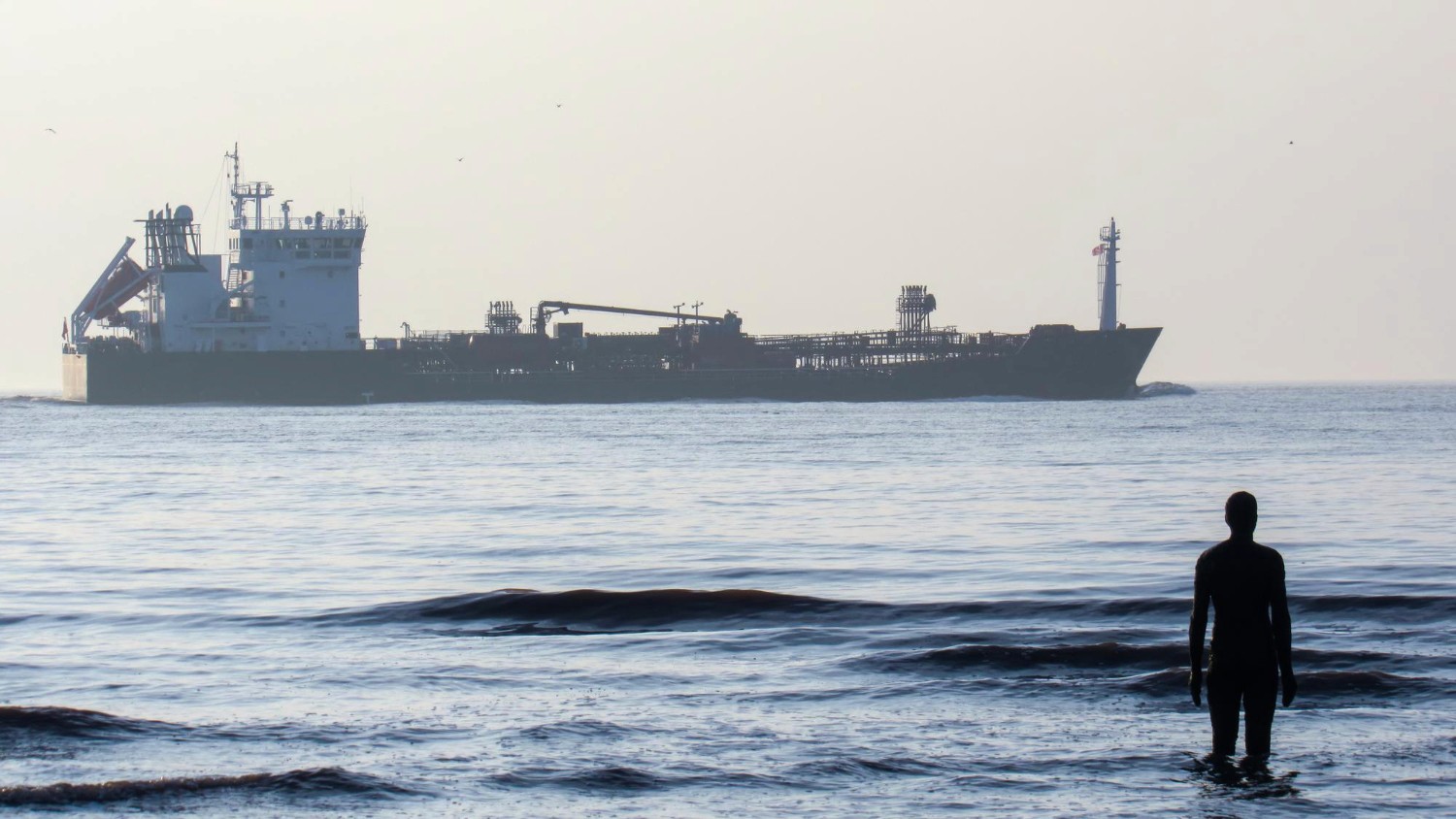
President Trump announced on Sunday that the US military will begin escorting ships stranded in the Strait of Hormuz starting Monday morning, Middle East time. He named the operation "Project Freedom."
The stated rationale is humanitarian. Hundreds of neutral country vessels have been stuck in the strait since Iran effectively shut it down in early March, after the US and Israel launched military operations against Iran on February 28. Crews are running low on food and supplies.
CENTCOM confirmed the deployment: guided-missile destroyers, more than 100 land and sea-based aircraft, unmanned platforms, and 15,000 service members. The operation runs alongside the existing US naval blockade of Iranian ports, which has been in place since April 13.
Iran's military responded within hours. It warned that any foreign armed force attempting to enter the Strait of Hormuz will be attacked. Iran has maintained control over the strait since the war began, charging tolls to non-US and non-Israeli ships and mining parts of the waterway.
Brent crude closed the week around $111 per barrel. The strait handles about a quarter of the world's seaborne oil trade.
The Real Story
This is not a rescue mission. Its a sovereignty test disguised as one.
The legal framing is deliberate. On May 1, Trump sent a War Powers letter formally ending hostilities while preserving force posture under Article II constitutional authority. Two days later, he announces "Project Freedom" as a humanitarian operation. If Iran fires first, the US is responding defensively. No new War Powers clock starts. Iran initiated hostilities.
That sequencing is not an accident. Trump is creating a legal structure where any Iranian response becomes the trigger for escalation, not the US action itself. This is the kind of move that looks like de-escalation on paper and functions as a provocation in practice.
Iran cant back down and cant afford to escalate.
Iran has said repeatedly that it will not return the Strait of Hormuz to prewar conditions. Deputy Parliament Speaker Ali Nikzad restated this on Sunday. Control of the strait is Iran's single greatest piece of leverage in any peace negotiation. If the US Navy sails through and Iran does nothing, that leverage evaporates.
But if Iran attacks US warships, Trump gets exactly what the legal setup was designed for. The cease-fire dissolves, the US has a defensive justification, and the conflict expands.
Iran is simultaneously reviewing the US response to its own 14-point peace proposal, which reportedly calls for a permanent ceasefire within 30 days, a mutual non-aggression pledge, a gradual reopening of Hormuz, and a phased lifting of the US blockade. Project Freedom lands right on top of those negotiations.
The oil market is pricing in a standoff, not a resolution.
Brent is sitting around $111. Thats roughly 80% above where it was before the war started in late February. The market has already priced in a closed Strait of Hormuz. What it hasnt priced in is whether Project Freedom reopens it or triggers something worse.
If the escort goes smoothly and ships start moving, oil drops. If Iran fires on commercial vessels or US warships, oil spikes well past $120. The range of outcomes in a single week is wider than anything the market has seen since the initial invasion.
Market Impact
Bull case
If Project Freedom works, its the first step toward reopening Hormuz. Ships start moving and oil faces immediate downward pressure. Combined with Iran reviewing its own 14-point proposal, theres a real chance of a negotiation breakthrough.
Lower oil means easing inflation pressure, revived Fed cut expectations, and a rally across risk assets. This is the scenario where BTC retests $80K.
Bear case
If Iran follows through on its warning, there will be a direct engagement in Hormuz. Oil goes past $120 immediately. California gas is already above $6 a gallon. Another spike crushes consumer sentiment.
Military escalation triggers selling across all risk assets. BTC has consistently traded as a risk asset during geopolitical shocks, not a safe haven. The drop from $87K when the war started on February 28 is the evidence.
Already priced in?
Oil, yes. $111 already assumes a closed strait. Equities and crypto, partially. The April rally reflected some ceasefire optimism. If escalation comes, that optimism unwinds.
What's Next
Monday morning, Middle East time, is the trigger. The first 24 hours of Project Freedom will tell you everything.
If ships transit without incident, watch for oil to pull back toward $100. That pullback is the signal that the market believes Hormuz is reopening. If even one ship gets hit, the pullback disappears and you're looking at a fresh leg higher in energy prices.
Iran's response to its own 14-point proposal is the other variable. If Tehran accepts the US counter-response and negotiations accelerate, Project Freedom becomes a footnote. If negotiations stall while the Navy is in the strait, the military and diplomatic tracks start working against each other.
For crypto specifically, this week is about correlation. BTC has tracked tech stocks and risk sentiment since the war began. If oil spikes and equities sell off, BTC follows. If oil drops and risk-on returns, BTC benefits. There is no independent crypto narrative this week. The macro is the trade.
The number to watch isnt a price level. Its the Brent-WTI spread. If it widens past $15, the market is saying seaborne crude flows are disrupted and getting worse. If it narrows, the market is saying the worst is behind us. That spread is the cleanest real-time signal of whether Project Freedom is working or failing.




Market analysis and trade ideas. Have a ticker in mind? Send us your request.