The Wire
Dispatch
Latest Daily
Gas Hits 2026 High. The Energy Secretary Said It Peaked
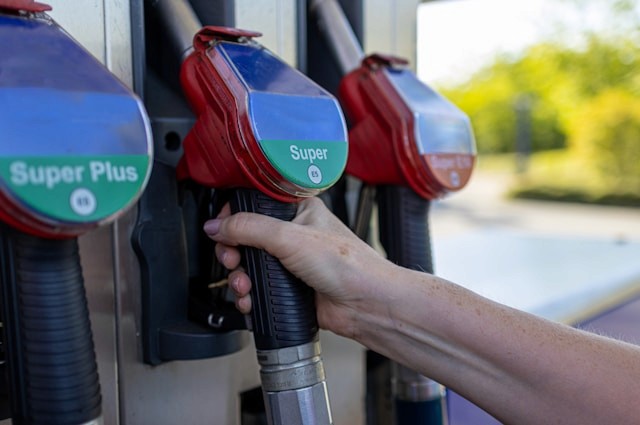
Regular gas hit $4.18 nationally. California is approaching $6. The White House keeps saying relief is coming. The pump says otherwise.
What Happened
Nine days ago Energy Secretary Chris Wright went on CNN and said gas prices had likely peaked for the year. On Tuesday the national average hit $4.18, a new 2026 high. The previous record was $4.16 set on April 9.
This is the kind of gap between official messaging and reality that erodes trust fast.
The White House has been consistent in its optimism. Wright said prices might not return to near $3 until next year. Trump disagreed publicly and said they'd fall as soon as the war ends. Treasury Secretary Bessent predicted $3 gas by summer. Meanwhile Chevron's CEO went on CBS and said the opposite. Prices haven't peaked. The dynamics are unusual. And higher prices will be with us for a period of time.
The data backs Chevron, not the White House. Brent crude hit $112.70 on Tuesday, the highest since late March. WTI briefly topped $100. The Strait of Hormuz is still effectively closed. Gasoline futures are near $3.50 per gallon wholesale, the highest since June 2022, heading for a fifth straight monthly gain. And wholesale costs haven't fully passed through to the pump yet. Analysts say inland states across the Plains and Great Lakes are still catching up.
The regional spread is brutal. California is at $5.89 a gallon. Hawaii $5.50. Washington $5.36. Even in the cheapest state, Oklahoma, it's $3.27. Diesel is averaging $5.43 nationally, up over 50% from a year ago. That hits logistics, manufacturing, and food transport directly.
Polling shows the squeeze is real. An AP-NORC survey found 45% of Americans are extremely or very concerned about affording gas in the next few months, up from 30% right after the 2024 election. When nearly half the country is worried about filling their tank, that's not a sentiment problem. That's a spending problem. Dollars that go to gas don't go to restaurants, retail, or discretionary anything.
The realistic ceiling that analysts are floating is $4.50 if Hormuz stays closed for several more weeks. The tail risk is $5, which would match the 2022 record. And the political pressure to do something about it only grows as numbers on gas station signs keep climbing.



Market analysis and trade ideas. Have a ticker in mind? Send us your request.