The Wire
Dispatch

Latest Daily
Canada Invented the Crypto ATM. Now Its Killing It
Canada just proposed banning all 4,000 crypto ATMs. The country that launched the worlds first Bitcoin ATM in 2013 now calls them a primary fraud tool. But this isnt just Canada. Its a global pattern, and it changes how crypto meets cash.
What Happened
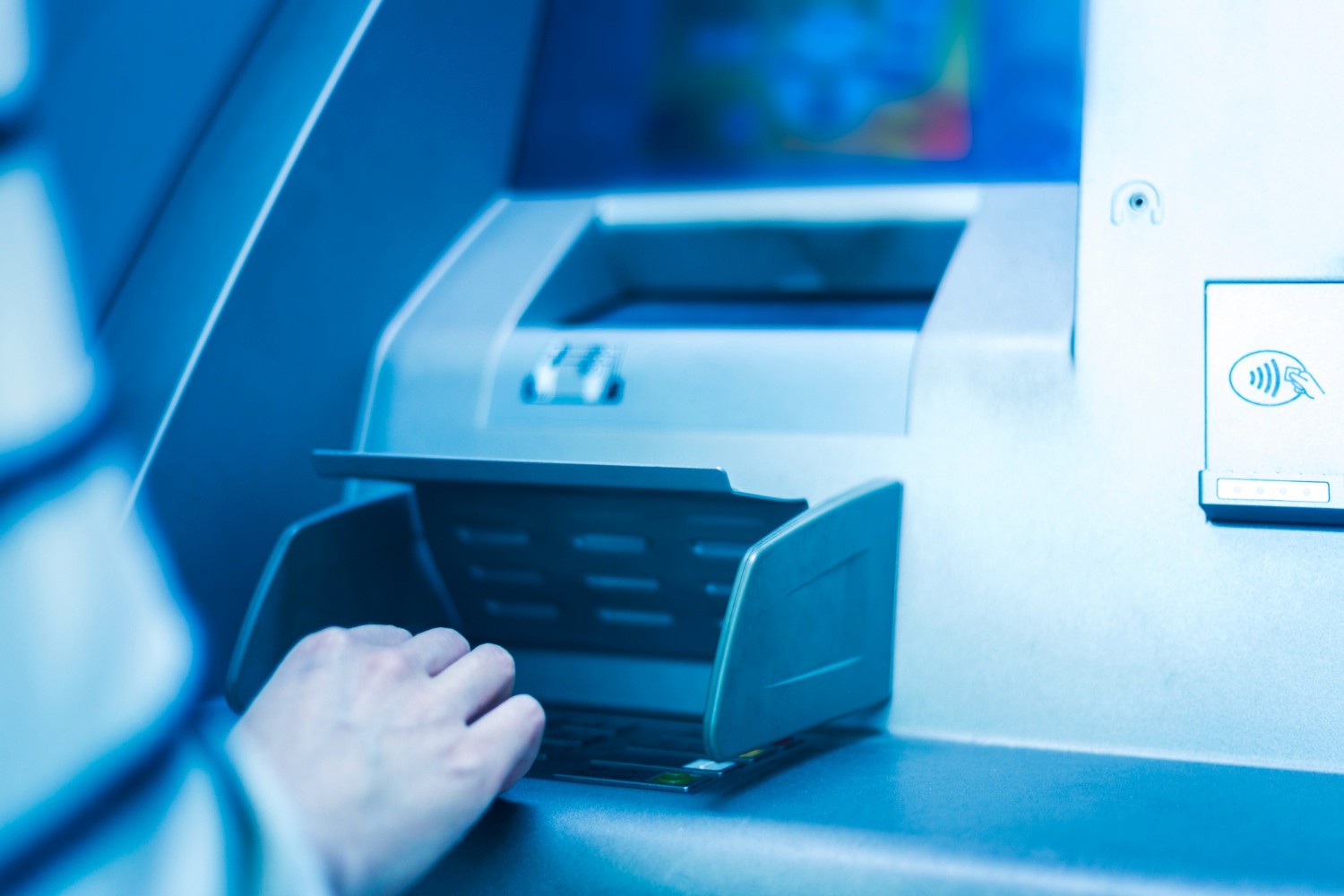
On April 28, Canada's federal government proposed a nationwide ban on cryptocurrency ATMs as part of its Spring Economic Update. The country has nearly 4,000 machines, the highest per capita in the world. The government called them "a primary method for scammers to defraud victims and for criminals to place their cash proceeds of crime."
No effective date has been set. The ban has not been enacted into law yet, but the Liberal government holds a parliamentary majority and the measure is expected to pass. Canadians will still be able to buy crypto through licensed exchanges.
The Real Story
The headlines framed this as consumer protection. "Government protects Canadians from scammers." Thats the surface reading.
Look deeper and this is an access infrastructure story.
Canada didnt just adopt crypto ATMs. It invented the public deployment. The worlds first Bitcoin ATM was installed in a Vancouver coffee shop in October 2013. Thirteen years later, the same country is proposing to eliminate every one of them. The reason isnt that crypto is dangerous. The reason is that unregulated cash-to-crypto conversion is dangerous. The government isnt banning crypto. Its banning the one channel that lets people convert cash to crypto without a bank, without an account, and in some cases without any identity verification beyond a phone number.
This matters because the ban isnt happening in isolation. Indiana banned crypto ATMs in March 2026. Tennessee signed a ban into law last week. Australia is expanding its AML agencys powers to target them. New Zealand plans to ban them outright. The UK effectively banned them in 2021 by creating a licensing framework that has issued zero licenses to operators.
Meanwhile, FINTRAC, Canadas financial intelligence agency, revoked 50 money services business licenses in 2026 so far, 47 of which belonged to crypto firms. KuCoin was fined $20 million. Cryptomus was fined $176 million. This isnt a single policy decision. Its a coordinated tightening of the cash-to-crypto pipeline across multiple jurisdictions.
And heres what most coverage missed entirely: the US still has 30,000 crypto ATMs, about 88% of the global total. The FBI logged 13,460 complaints involving crypto ATMs in 2025 with $389 million in losses, a 58% increase from the prior year. Canada is moving first. The question is whether the US follows.
Market Impact
Bull case: The ban pushes users from unregulated ATMs to regulated exchanges. Thats actually bullish for compliance-focused platforms like Coinbase, Kraken, and Wealthsimple Crypto. More regulated volume means more institutional comfort. The ban is anti-ATM, not anti-crypto. The government explicitly said Canadians can still buy through licensed services. Regulatory clarity, even when restrictive, tends to attract capital over time.
Bear case: Crypto ATMs are the last pure cash-to-crypto on-ramp. Removing them eliminates access for the unbanked and privacy-conscious. If the US follows with a federal ban on its 30,000 machines, thats 88% of global crypto ATM infrastructure gone. The on-ramp squeeze would compress retail participation at exactly the moment the industry needs broader adoption to justify current valuations.
Priced in? No. The market hasnt reacted to the Canada announcement at all. BTC traded flat on April 28-30. This is being treated as a local regulatory story. But the pattern of simultaneous bans across Canada, Indiana, Tennessee, Australia, New Zealand, and the UK is not priced in as a trend. If the US introduces federal legislation targeting crypto ATMs, the repricing will be sudden.
Sectors affected: Crypto ATM operators (Bitcoin Well, Localcoin face existential risk), regulated exchanges (potential beneficiaries), cash-dependent crypto users (access disruption), AML/compliance firms (demand increase).
What's Next
If the ban stays local to Canada: Market ignores it. 4,000 machines in a single country is a rounding error for global crypto volume. ATM operators contest it in court, buying 12-18 months. Users migrate to exchanges. Net effect on crypto prices is zero. But watch for Localcoin and Bitcoin Well earnings impact as a leading indicator of operator viability elsewhere.
If the US introduces federal crypto ATM legislation: This changes everything. 30,000 machines processing billions in annual volume suddenly face shutdown risk. Retail on-ramp capacity drops significantly. The political framing shifts from "innovation" to "fraud prevention," which is harder for the crypto lobby to fight. Watch for any FBI or FinCEN testimony referencing the $389 million in 2025 losses as justification. If that number shows up in a Congressional hearing, legislation follows.
If the global pattern accelerates but the US doesnt act: A two-tier system emerges. Countries with bans push volume to countries without. The US becomes the last major market with widespread unregulated cash-to-crypto access. This could actually concentrate ATM revenue in US operators while raising the political pressure to eventually act. The longer the US waits, the more dramatic the eventual response.
The first Bitcoin ATM was a statement that crypto could exist outside the banking system. The ban is a statement that regulators have decided it cant. Whether thats right or wrong doesnt matter for investors. What matters is that the cash-to-crypto pipeline is narrowing globally, and the last country standing with 30,000 machines is the one that hasnt decided yet.



Market analysis and trade ideas. Have a ticker in mind? Send us your request.