The Wire
Dispatch
Latest Daily
Project Freedom Fired Its First Shots Within Hours
The US sank six Iranian boats and two American ships made it through Hormuz. Iran hit the UAE with 15 missiles and set Fujairah's oil terminal on fire. The ceasefire lasted four weeks. Oil jumped to $105 WTI. Day one rewrote the risk map
What Happened
Project Freedom launched Monday morning, Middle East time. It did not stay peaceful for long.
The US military said it sank six Iranian small boats that approached a Navy warship while escorting commercial vessels through the Strait of Hormuz. Earlier in the day, Iran fired warning shots at a separate US warship attempting to enter the strait, forcing it to turn back.
Two American-flagged merchant ships successfully transited the strait. CENTCOM confirmed the passage and said its forces had "defended all commercial ships" from drones and small boats deployed by Iran.
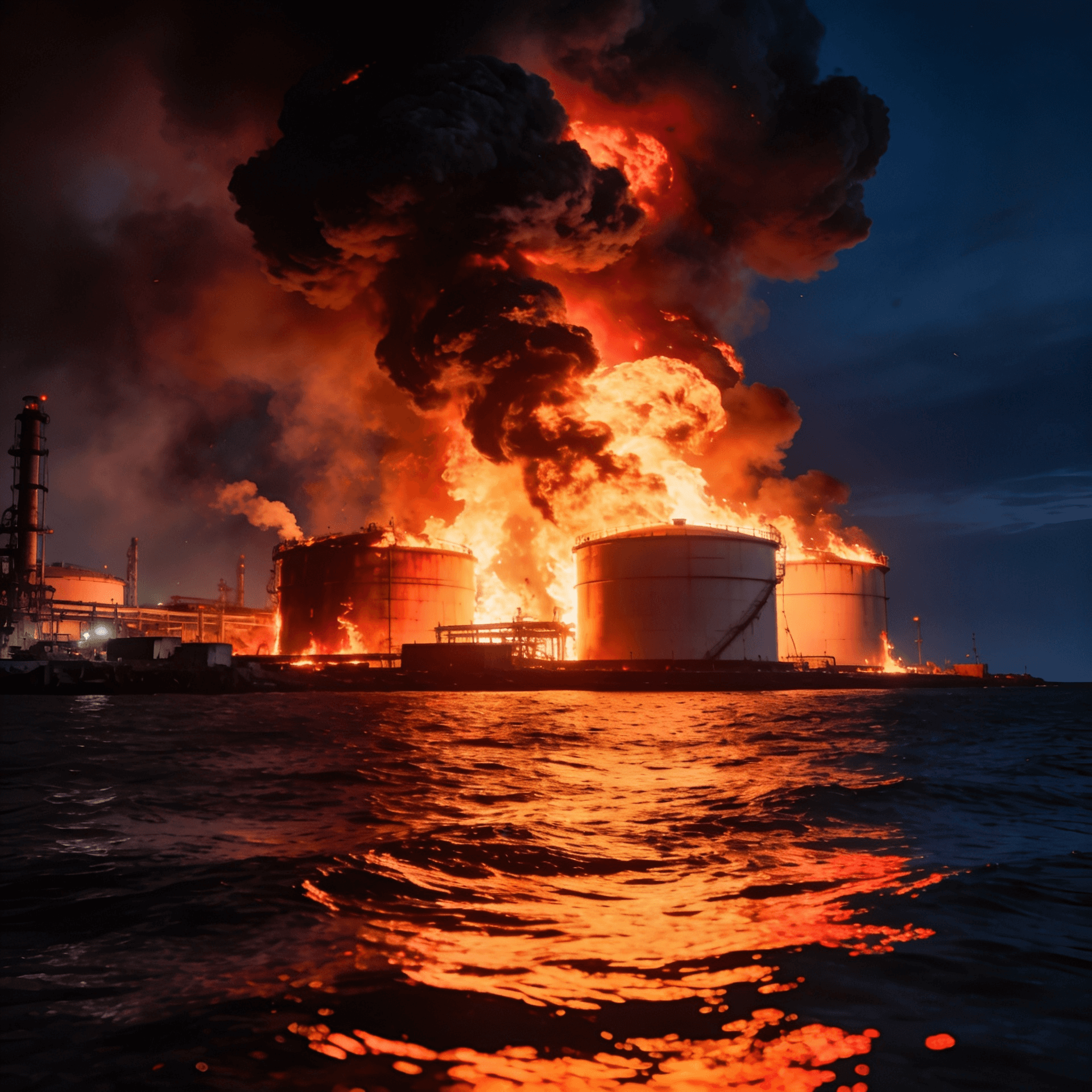
Iran escalated beyond the strait. The UAE Defense Ministry said its air defenses engaged 15 missiles and 4 drones fired by Iran. A drone struck the Fujairah Oil Industry Zone, sparking a major fire at one of the regions most important oil storage and export hubs. Three Indian nationals were injured.
WTI crude jumped roughly 3% to $105 per barrel. Brent pushed toward $115. The four-week ceasefire that had held since early April now looks fragile at best.
The Real Story
Both sides got what they wanted from day one, and thats the problem
The US can claim two ships made it through. Iran can claim it fired on a US warship and it turned around. Both are true. Both will be used to justify the next move.
This is the worst kind of outcome for markets. A clean resolution, either the strait reopens or it stays closed, would let investors price the risk. Instead, the strait is neither open nor closed. Its contested. Two ships got through while six boats were sunk and a major oil terminal was hit. That ambiguity is harder to price than a clear blockade.
Fujairah changes the equation entirely
Before Monday, the conflict was contained to the strait itself. Ships couldnt get through, oil was expensive, but no infrastructure was being hit. Fujairah changes that.
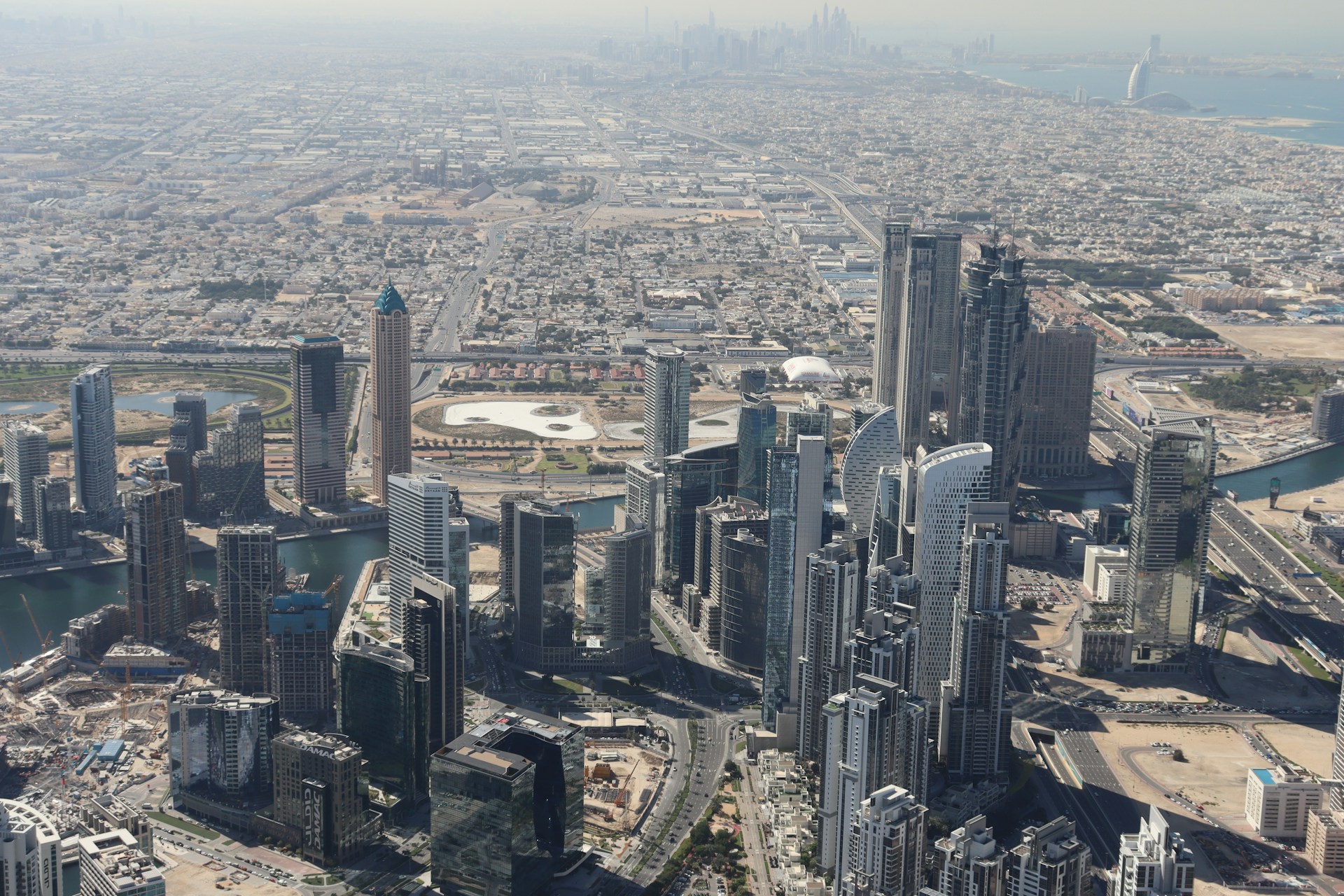
Fujairah is not a random target. Its one of the largest oil storage and bunkering hubs in the Middle East, sitting just outside the strait on the Gulf of Oman side. It was supposed to be the safe side. Oil companies have been rerouting storage and operations to Fujairah precisely because it was outside the conflict zone.
Iran hitting Fujairah says: there is no safe side. If the US tries to force the strait open, Iran will extend the battlefield to infrastructure the entire region depends on. That message landed. And its aimed not just at the US but at the UAE, Saudi Arabia, and every Gulf state calculating whether to support Project Freedom.
The ceasefire didnt break. It was broken on purpose.
Trump's War Powers letter on May 1 formally ended hostilities. Project Freedom was framed as humanitarian. Iran warned it would fire. It fired. The ceasefire structure was designed so that the first shot would come from Iran, giving the US a defensive justification.
But Iran didnt just fire at the US. It fired at the UAE. That pulls a third country into a conflict that had been bilateral. The UAE had been walking a careful line between its alliance with Washington and its economic ties with Iran. Mondays events force Abu Dhabi to choose sides publicly. That choice has consequences for oil production, OPEC dynamics, and the entire Gulf security architecture.
Market Impact
Bull case
Two US ships made it through. Precedent is set. If more ships follow and the strait gradually reopens, oil faces downward pressure. Iran's 14-point proposal review is ongoing and Trump's Beijing visit is scheduled for next week, keeping diplomatic channels alive.
The Fujairah fire was contained and casualties were limited. If the market reads this as "it wasnt the worst case," oil could give back some of its spike.
Bear case
The Fujairah strike is a game changer. Infrastructure outside the strait becoming a target means the geographic scope of the conflict just expanded. Insurance premiums spike, shippers reroute further, and the $120+ oil scenario reopens.
The UAE got pulled in. A Gulf state taking a direct hit changes OPEC internal dynamics and politicizes production decisions. Whether Saudi responds with more output, whether the UAE retaliates against Iran, all of it is now on the table.
The four-week ceasefire cracking removes the "de-escalation premium" the market had priced in. Part of the April rally was built on that expectation.
Already priced in?
Partially. The 3% oil jump reflected the engagement itself but hasnt fully digested what Fujairah means. The market will decide on Tuesday whether this was a one-off or the start of a pattern.
What's Next
Tuesday is the real test. If no further attacks hit UAE infrastructure overnight, the market may treat Monday as a contained incident. If a second strike comes, the pattern is established and oil reprices for sustained conflict beyond the strait.
Watch the UAE's diplomatic response. If Abu Dhabi condemns Iran publicly and aligns with Washington, the Gulf security structure shifts and the conflict widens. If the UAE issues a measured statement and keeps back-channel communication open with Tehran, theres still room for de-escalation.
The shipping industry's response matters more than government statements. If commercial shippers start requesting US escort for strait transit, Project Freedom becomes a standing operation and the strait functionally reopens under military protection. If shippers refuse to enter even with escorts because Fujairah proved nowhere is safe, the blockade effect persists regardless of how many Navy ships are deployed.
For oil specifically, the Brent-WTI spread is the signal. It widened on Monday as seaborne crude flows faced new disruption. If it keeps widening through the week, the market is saying the conflict is getting worse. If it stabilizes, the market is saying Mondays events were priced and absorbed.
Trumps Beijing trip next week adds another layer. Any deal framework that includes Hormuz reopening terms would instantly deflate the oil premium. But if the trip focuses only on trade and avoids Iran, the market loses its best near-term hope for resolution.



Market analysis and trade ideas. Have a ticker in mind? Send us your request.