The Wire
Dispatch

Latest Daily
The Bank of Japan Is Cracking From the Inside
They held rates. But three board members wanted to hike. That's the fastest hawkish shift in years, and the yen is still falling.
What Happened
The Bank of Japan kept rates at 0.75% on Tuesday. On paper, nothing happened. Under the surface, everything is shifting.
The vote was 6-3 to hold. Three board members wanted to hike to 1%. At the March meeting, only one dissented. Going from one hawk to three in a single meeting is not gradual. That's a faction forming.
And the forecast revisions tell the real story. The BOJ slashed its growth outlook for fiscal 2026 from 1% to 0.5%. At the same time, it jacked core inflation projections from 1.9% to 2.8%. Growth cut in half while inflation nearly doubles. That's not a mixed signal. That's stagflation math, printed by the central bank itself.
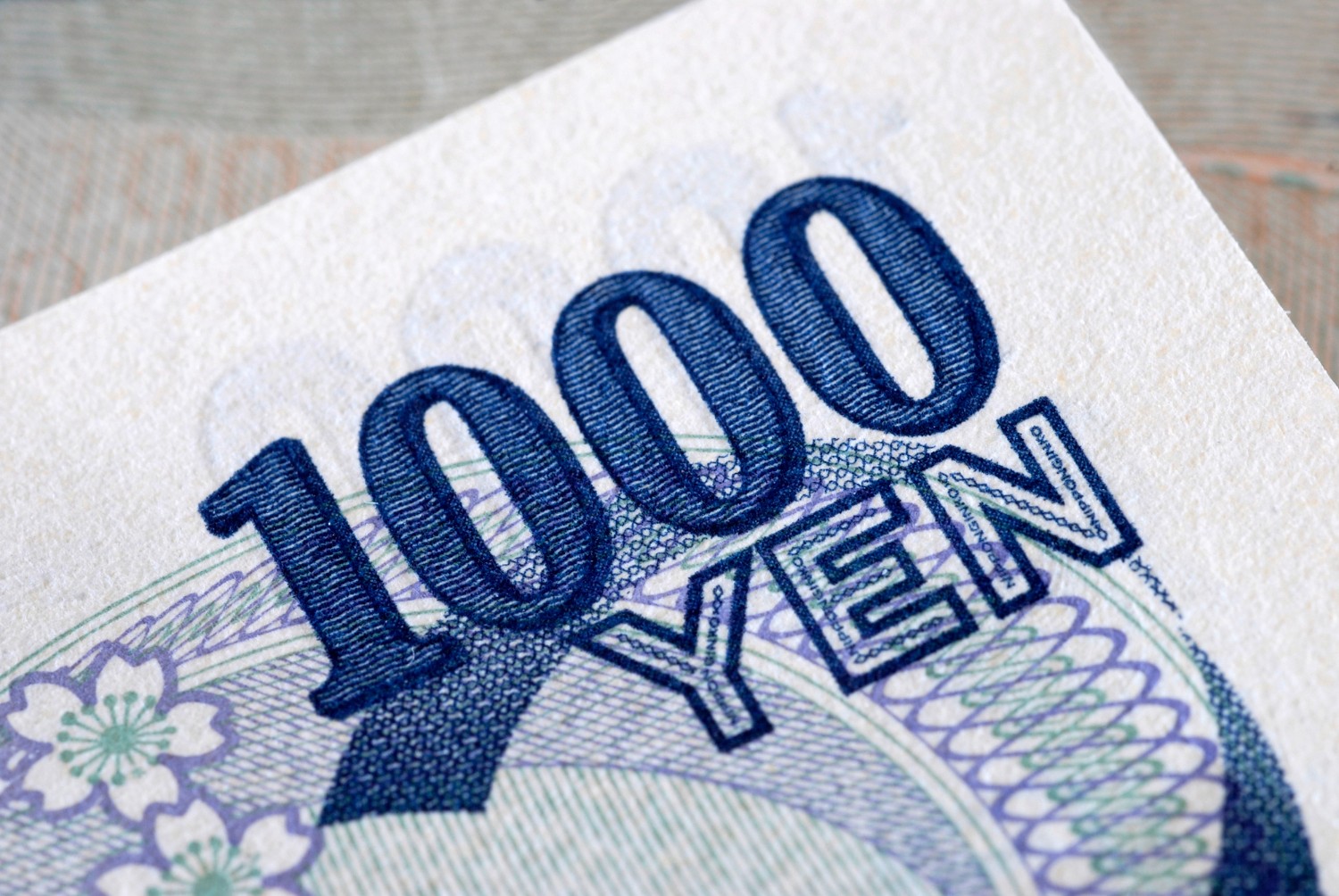
Governor Ueda played it cool at the press conference. No clear signal on timing for the next hike. The yen immediately weakened, slipping past 159 against the dollar. Traders wanted a hint. They got nothing.
But the yen tells its own story. Japan is stuck in a brutal position. Inflation is running above the BOJ's 2% target for the 20th straight month. A weak yen makes imports more expensive, which pushes prices higher. The obvious fix is raising rates. But raising rates into a growth slowdown with a war raging in the Middle East is a move that could break something.
For global investors, Japan matters more than most people think right now. Japanese institutional money is one of the largest pools of capital on the planet. When the BOJ signals tighter policy, Japanese funds start pulling money home from US Treasuries, European bonds, and global equities. That repatriation flow has moved markets before. If three hawks become four or five by the June meeting, the ripple effects won't stay in Tokyo.
The energy angle makes it worse. Japan imports nearly all of its oil. With Hormuz still closed and crude above $110, every barrel they buy costs more and weakens the yen further. The BOJ revised inflation higher specifically because of Middle East supply risks. They're not guessing. They're watching it happen in real time.
This is the meeting where the BOJ stopped pretending everything was under control. The hold was expected. The 6-3 split was not. And the revised forecasts are basically an admission that Japan is walking into stagflation with no good options.









Market analysis and trade ideas. Have a ticker in mind? Send us your request.