$100 Oil and a Shrinking Economy
GDP collapsed. Oil kept climbing. The market ran out of places to hide.
The Strike
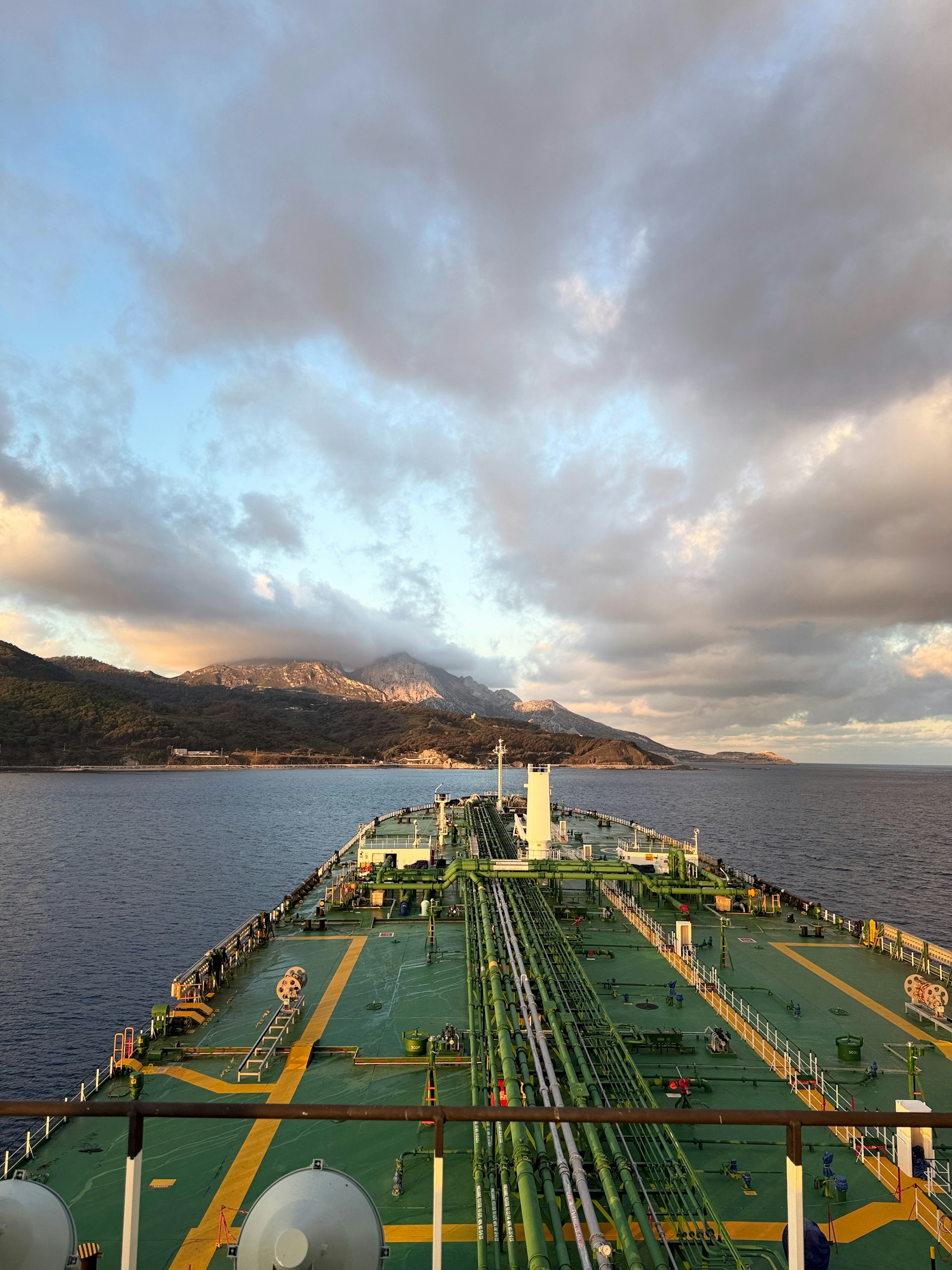
On March 9, Brent crude settled at $94 — up roughly 50% from the start of the year. The EIA released its Short-Term Energy Outlook the following day, projecting prices would stay above $95 through mid-spring. The agency's models assumed the Strait of Hormuz closure would deepen production shutdowns across the Gulf in the weeks ahead.
GDP Shock
The headline of the week came from the Bureau of Economic Analysis. Fourth-quarter GDP was revised down sharply — from 1.4% to just 0.7%, well below the consensus forecast of 1.5%. The slowdown was driven by weaker consumer spending, lower government outlays, and softer exports. For a market already rattled by rising energy costs, the revision introduced a word that had been circling for days but now landed with force: stagflation.
Ships Under Fire
Iran escalated its maritime campaign. On March 11, three cargo ships were struck by missiles in the Strait of Hormuz, pushing WTI up another $3.55 on the day. The IEA had already warned that at least 40 energy assets across nine countries were damaged since the war began. Shipping through the strait remained at a near standstill. Fertilizer markets also tightened sharply — Jefferies upgraded Nutrien, noting that the Hormuz bottleneck was forcing domestic U.S. spot prices higher just as spring planting season began. The supply crisis was spreading beyond oil.
No Place to Hide
By Friday, the S&P 500 closed at 6,632 — a new low for 2026 — posting its third consecutive weekly decline, down 1.6% for the week. WTI settled at $98.71, with Brent crossing $103. Gold held above $5,000 but showed signs of cracking under the weight of rising real yields. The 1970s oil shock comparison, once treated as hyperbole, was now showing up in institutional research notes with increasing frequency.
Rotation Deepens
The sector divergence widened further. Energy continued its run as the only S&P sector in positive territory for March. Technology led the decline, with high-multiple growth names repricing against a backdrop of stickier inflation and evaporating rate-cut expectations. Earnings season added its own weight: Adobe fell 8% after its CEO announced plans to step down, and Ulta Beauty dropped 12% on a miss. Neither had anything to do with Iran — but in a market running on fear, every weak print was amplified.
What Mattered Most
The GDP revision changed the calculus. Before March 12, the market debate was about how high oil could go. After it, the debate shifted to whether the economy could absorb the shock at all. The Federal Reserve's next move — cut, hold, or hike — was suddenly an open question. And the answer depended entirely on one thing: the Strait of Hormuz.
Free on TradingView
What are you still configuring?
While others sell you "highly customizable" and leave you with endless settings to figure out, we eliminated all of them and called it "engineering".
ARES Generation 1
Coming April 22.
Latest

Ready to begin?
A precise tool for those who've already decided how they trade.